
Polychaetes exhibit different modes of life adapted to different habitats. Elaborate. (IFS 2020/10 Marks)
Polychaetes exhibit different modes of life adapted to different habitats. Elaborate. (IFS 2020/10 Marks)

Introduction:
Polychaetes are a diverse group of marine worms that exhibit a wide range of adaptations to different habitats. These adaptations allow them to thrive in various environments and play important roles in marine ecosystems.
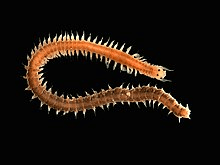
Polychaetes and Their Adaptations to Different Habitats
Polychaetes, a class of annelid worms, are highly diverse and have evolved various life strategies to adapt to different environmental conditions. Their body structure, feeding mechanisms, and reproductive strategies are specialized to match their unique habitats.
1. Sedentary Polychaetes
- Adaptation to Burrowing: Sedentary polychaetes, such as lugworms, have cylindrical bodies adapted to living in burrows within sandy or muddy sediments. They often build tubes for protection and stability.
- Filter Feeding: They are adapted to filter feed, using specialized appendages or feathery tentacles to capture plankton and organic particles from the surrounding water.
2. Errant Polychaetes
- Mobility and Active Hunting: Errant polychaetes, like the ragworm, are free-moving and often predatory. They possess well-developed parapodia (appendages) and bristles for crawling, swimming, or burrowing.
- Sensory Adaptations: These polychaetes have developed sensory organs, such as antennae and eyes, to locate prey or detect threats in their environment.
3. Pelagic Polychaetes
- Adaptation to Open Water: Some polychaetes are adapted to a pelagic (open ocean) lifestyle. These species are often transparent and have streamlined bodies to aid in buoyancy and swimming.
- Feeding on Plankton: They typically feed on plankton and other small organisms in the water column, capturing food through their mouthparts or tentacles.
4. Symbiotic Polychaetes
- Commensal Relationships: Some polychaetes live in symbiosis with other marine organisms, like corals, sponges, or sea anemones. They benefit from protection and access to food from their hosts.
- Adaptation to Host Environment: These polychaetes have evolved to match the morphology and lifestyle of their hosts, sometimes even camouflaging or modifying their behavior to avoid detection.
5. Parasitic Polychaetes
- Adaptation for Host Attachment: Some polychaetes are parasitic, attaching to or living inside other marine organisms. They often have specialized mouthparts or hooks for attachment and feeding on their host's body fluids.
- Reduction of Free-Living Features: Parasitic polychaetes may exhibit a reduction in mobility and sensory structures, relying on the host for survival and nourishment.
6. Tube-Dwelling Polychaetes
- Tube Construction: These polychaetes construct protective tubes made of sand, mucus, or calcareous materials, which they live in. This structure provides shelter from predators and strong currents.
- Feather-Like Tentacles for Feeding: Tube-dwelling polychaetes, such as feather duster worms, use feather-like tentacles that extend from their tubes to filter feed on suspended particles in the water.
Conclusion:
Polychaetes exhibit a wide range of modes of life adapted to different habitats, allowing them to thrive in diverse marine environments. Understanding these adaptations is crucial for studying their ecological roles and the overall health of marine ecosystems.