
Giving suitable examples and diagrams, describe the phenomenon of parental care in Apoda, Anura and Caudata. (IFS 2019/10 Marks)
Giving suitable examples and diagrams, describe the phenomenon of parental care in Apoda, Anura and Caudata. (IFS 2019/10 Marks)

Introduction:
Parental care is a common phenomenon in amphibians, with varying levels of involvement across different species.
Parental Care in Apoda (Caecilians)
Characteristics:
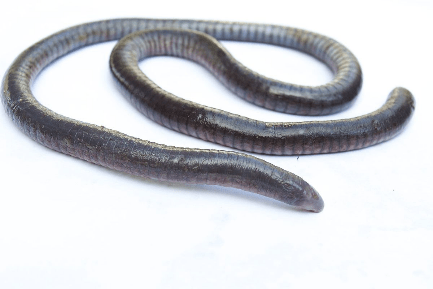
- Apoda, or caecilians, are limbless, burrowing amphibians with unique parental behaviors.
Examples and Behaviors:
- Dermophagy (Skin Feeding):
- In species like Boulengerula taitana, mothers produce a nutrient-rich outer skin layer that young feed on.
- This ensures a direct nutrient supply without exposure to external dangers.
- Egg Guarding:
- Some caecilians, like Ichthyophis spp., coil around their eggs to protect them from predators and desiccation.
Diagram:
Parental Care in Anura (Frogs and Toads)
Characteristics:
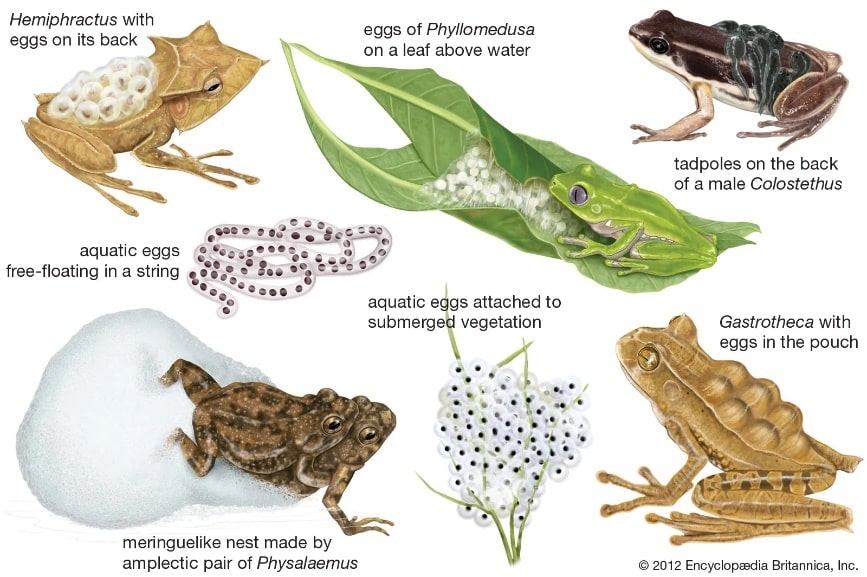
- Anura exhibit diverse parental strategies, ranging from guarding eggs to carrying tadpoles.
Examples and Behaviors:
- Egg Guarding: Hyla cinerea guards egg clutches on vegetation to prevent predation and desiccation.
- Tadpole Transport: Male Dendrobates spp. (poison dart frogs) transport tadpoles on their back to nutrient-rich water sources like bromeliad pools.
- Brood Pouches: Female Gastrotheca spp. (marsupial frogs) carry eggs in dorsal pouches where they develop.
- Vocal Calling for Protection: Bufo spp. remain near eggs and use vocal calls to deter predators.
Diagram:
Parental Care in Caudata (Salamanders and Newts)
Characteristics:
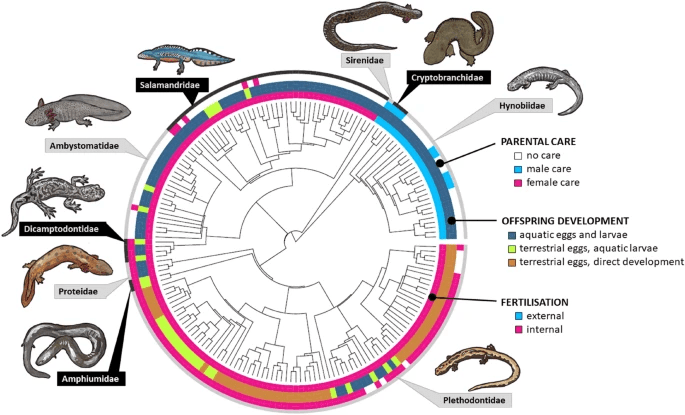
- Caudata exhibit less diverse but effective parental care, primarily focused on egg protection.
Examples and Behaviors:
- Egg Guarding: Female Ambystoma spp. guard eggs laid in moist or aquatic environments.
- Egg Wrapping: In Plethodon cinereus (red-backed salamander), eggs are wrapped in leaves to protect them from drying out and predators.
- Larval Care: In some newts, like Triturus spp., parents ensure larvae are deposited in safe aquatic habitats.
Diagram:
Conclusion:
Parental care in amphibians varies greatly across different orders and species. While some amphibians exhibit minimal parental care, others show complex behaviors such as guarding eggs, providing nourishment, or carrying young.